July 22, 2026
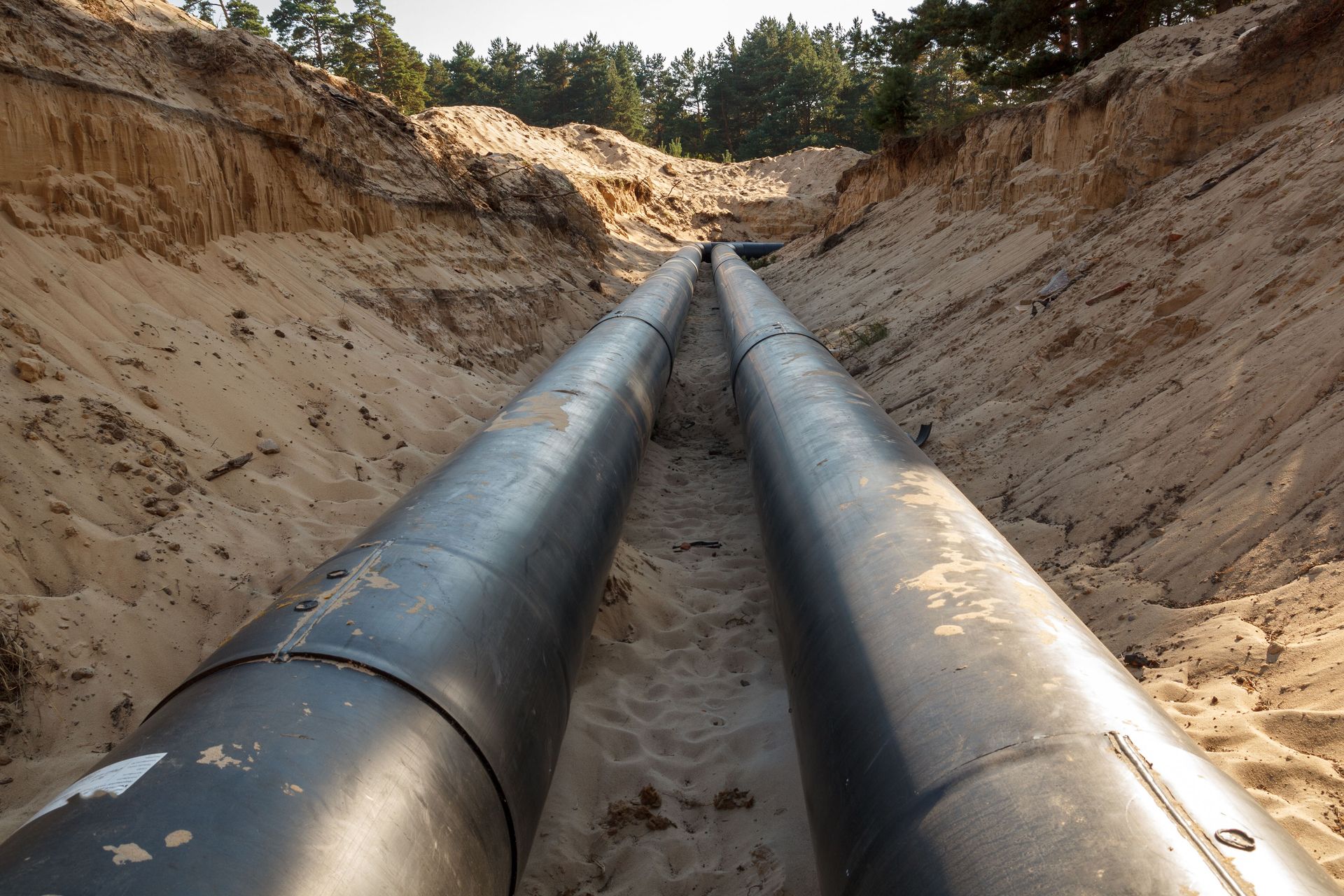
Understanding the importance of maintaining your sewer lines can save you from costly repairs and inconvenient backups. Sewer systems are often overlooked until something goes wrong, but consulting residential plumbers and being proactive can prevent many common issues. Keeping them clear and functional is crucial not only for the integrity of your home’s infrastructure but also for environmental health.
Understanding Your Sewer System
Knowing Common Sewer System Problems
Sewer systems can encounter a variety of issues, often resulting in significant inconvenience and potential damage. Blockages are among the most common issues, usually caused by a buildup of debris, grease, or inappropriate items being flushed. Leaks may occur due to aging pipes, corrosion, or improper installations, leading to water wastage and potential property damage. Root intrusion poses another threat, as tree roots search for moisture and can penetrate sewer lines, causing blockages and breaks. Understanding these common problems helps in taking preemptive measures to address them.
Addressing these problems involves a combination of preventive measures and timely interventions. Regular cleaning and maintenance help prevent the build-up of debris that leads to blockages. Detailed inspections by residential plumbers reveal leaks and weak points in the system before they escalate. Dealing with root intrusion often requires professional residential plumbers to ensure lasting solutions. Understanding common sewer system problems is the first step to proactive maintenance and avoiding emergencies.
Avoiding Consequences of Neglecting Maintenance
Neglecting the maintenance of sewer lines can have severe repercussions, both financially and environmentally. Blockages left unattended can escalate, leading to costly repairs or extensive system replacements. According to Gitnux, clogged drains or sewer lines account for 60% of plumbing-related emergency calls, highlighting why trusted residential plumbers emphasize the urgency of addressing issues promptly. Environmental impacts of neglect include contamination and improper waste disposal, affecting local ecosystems.
Regular maintenance is a critical aspect of environmental responsibility and property management. Environmental considerations reinforce the need for diligent sewer maintenance. Improper waste disposal due to system failures can contaminate local water sources and affect wildlife. Prevention of blockages and leaks helps ensure that all wastewater is treated properly, minimizing harmful runoff. Protecting environmental resources begins at home with responsible and regular sewer maintenance.
Preventive Maintenance Tips
Avoiding Chemical Drain Cleaners
Chemical drain cleaners may offer a tempting quick fix, but experienced residential plumbers warn that their long-term effects can be detrimental to sewer lines. The corrosive nature of these products often damages pipes, leading to leaks, weak spots, and eventual ruptures. Environmental impact is also a significant concern, as harsh chemicals can enter water supplies and ecosystems. Although they promise fast results, chemical cleaners can exacerbate plumbing issues with frequent use.
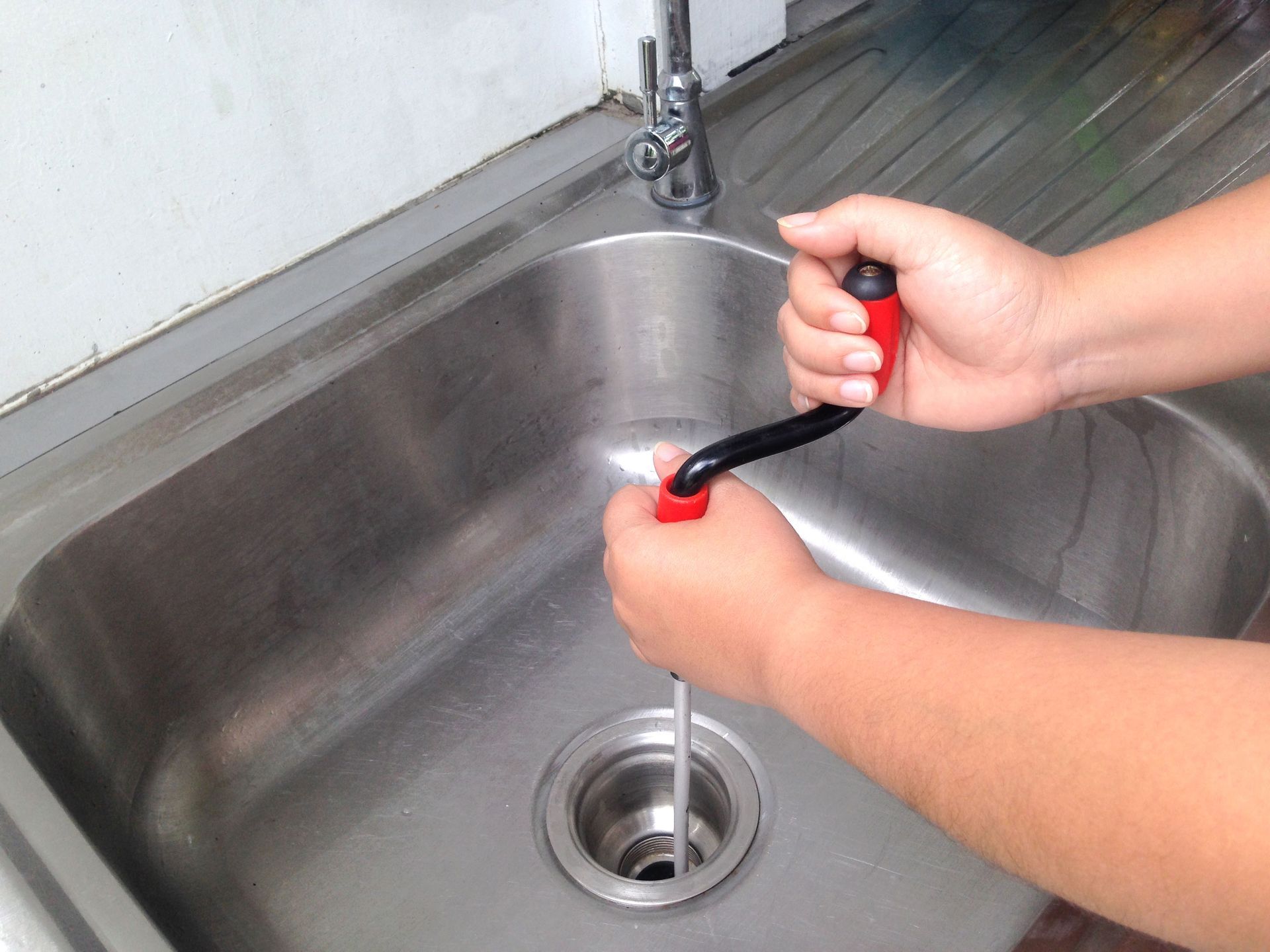
Alternatives to chemical drain cleaners abound, each designed to maintain clean plumbing without the risks. Mechanical tools such as plungers and mechanical snakes can effectively clear minor blockages without damaging pipes. Natural homemade solutions, such as vinegar and baking soda, provide a safer method for removing debris. Awareness of potential hazards compels homeowners to seek out these alternatives. Prevention is preferable, with regular cleaning using non-corrosive methods, avoiding the buildup that leads to clogs.
The focus on safe cleaning solutions extends to proactive measures that support overall plumbing health. Responsible disposal habits, such as avoiding fat and oil drains, reduce reliance on harsh cleaners. Public awareness campaigns and community programs promote eco-friendly maintenance practices. Learning about the long-term risks associated with chemical drain cleaners is a reminder of the importance of thoughtful plumbing care. Transitioning to safer alternatives benefits both individual households and broader environmental contexts.
Flushing With Hot Water
A simple yet effective preventive measure for sewer line maintenance is regular flushing with hot water. This practice helps break down grease and residues that accumulate in pipes, reducing the risk of clogs. Scheduling hot water flushing, such as following dishwashing, ensures that minor buildup is routinely addressed. It enhances the overall drainage system’s capacity, allowing wastewater to move smoothly through the pipes. This low-cost strategy requires little effort but offers substantial benefits in maintaining clear and efficient sewer lines.
Routine hot water flushing is a preventive measure that complements more comprehensive maintenance routines recommended by residential plumbers. Regular use minimizes the possibility of emergencies, reducing the chance of sewer line problems. Additionally, the occasional combined use of a mild detergent with hot water increases cleaning efficacy. Awareness of the potential for buildup in sewer lines encourages proactive flushing habits. This simple practice, integrated into regular household routines, often avoids costly fixations down the line.
This practice is particularly crucial for households with significant grease disposal, as hot water can break up and carry away deposits. Moreover, regular flushing can prevent freeze-related issues in colder climates by maintaining higher pipe temperatures. Hot water flushing supports the preventive maintenance of a household’s entire plumbing system. Integrating this habit ensures long-term, reliable sewage flow and operational efficiency.
Installing Drain Strainers
Drain strainers serve as a first line of defense in keeping sewer lines clear of debris that can cause blockages. They effectively catch hair, food scraps, and other particles that would otherwise make their way into the pipes. This simple device can significantly reduce the risk of clogs, promoting the efficient flow of wastewater. Drain strainers are available for various fixtures, including sinks, bathtubs, and showers, and are easy to install and maintain. Choosing and using the right stretcher for each drain type enhances its effectiveness in maintaining clear sewer lines.
Drain strainers offer a low-cost and low-effort solution for preventing common sewer line issues. Regular cleaning ensures that strainers remain functional and that captured debris is properly disposed of. This practice not only aids in clear plumbing but also contributes to environmental sustainability by keeping waste properly contained. By minimizing clogs, homeowners reduce the need for unexpected visits from residential plumbers and prolong the lifespan of pipes. Routine cleaning as part of a larger maintenance strategy reinforces the benefits offered by strainers.
The benefits of strainers are immediate, as they prevent problematic buildup from the outset. Simplicity in design and ease of use mean that every household can utilize strainers as part of their plumbing infrastructure. Investment in quality strainers represents a cost-effective means of reducing future repair costs by actively preventing clogs. Embracing strainers alongside other preventive measures strengthens resilience against blockages and ensures seamless water disposal.
Using Mindful Disposal Practices
Mindful disposal practices are crucial to prevent sewer line blockages and maintain clear plumbing systems. Only appropriate waste should be disposed of in drains and toilets to ensure efficient wastewater flow. Items such as paper towels, wipes, and hygiene products cause blockages and should be discarded in waste bins. Educational initiatives increase homeowner awareness and foster environmentally conscious disposal habits. Proper waste management reflects an understanding of the broader impact of plumbing care and resource conservation.
Homeowners can reinforce positive disposal habits by ensuring adequate waste receptacles are available throughout the house. Communication and signs near sinks and toilets can remind household members of preferred disposal methods. Community-led initiatives further support awareness and collective responsibility by sharing campaigns and information. Public workshops and educational materials play a vital role in reinforcing mindful disposal as a basis for effective sewer maintenance. Fostering these habits ensures the longevity of sewer systems and supports environmental well-being.
Clear and consistent disposal guidelines contribute to easily understood best practices that benefit households and communities. Forming positive habits avoids common sewer system issues and encourages responsible waste disposal. Regular reminders cultivate understanding within families, encouraging ongoing and sustainable practices. Coordinating as a community amplifies positive outcomes, benefiting all parties involved. Emphasizing mindful disposal as a necessary component of sewer system care strengthens awareness and prevention efforts.
Maintaining a functional sewer system requires a balance of regular awareness and proactive care. Neglecting these essential lines leads to costly emergency repairs and severe environmental contamination. By adopting simple, chemical-free preventive habits—such as using drain strainers, flushing with hot water, and practicing mindful waste disposal—homeowners can easily protect their property's infrastructure. While these daily efforts go a long way, partnering with licensed residential plumbers for routine inspections ensures long-term plumbing reliability and supports a healthier ecosystem tomorrow. To learn more about your home's plumbing system and schedule a professional inspection or cleaning, reach out to the pros over at Destiny Plumbing Inc today.